

Losing your spouse is one of those things you can never really prepare for. People will tell you all sorts of things about how you should be handling grief, and honestly, most of it just adds pressure. Maybe you’ve heard whispers about moving on too quickly after death of spouse, or felt the side-eye when you started smiling again. Truth is, there’s no single right way to grieve, and you’re the only one who knows what feels okay for you. Let’s talk about some of the myths, the guilt, and how you might find your feet again, even if it feels shaky at first.
Key Takeaways
- There’s no set timeline for grief. Moving on too quickly after death of spouse is a myth pushed by others, not a rule you have to follow.
- Feeling happy, laughing, or considering new relationships doesn’t mean you’ve forgotten your loved one; it’s part of finding your own way forward.
- People will have opinions, but only you can decide what’s right for your healing. Trust your own pace and choices.
Busting Myths About Moving On Too Quickly After Death Of Spouse

Moving forward after losing your spouse can feel like you’re walking on eggshells, dodging all sorts of opinions. Let’s be real: everyone and their nan has an idea about how long you’re supposed to grieve. Spoiler: there’s no one-size-fits-all timeline. Still, you’ll hear a lot of unhelpful myths. Time to call them out.
Why You’re Not On A Grief Stopwatch
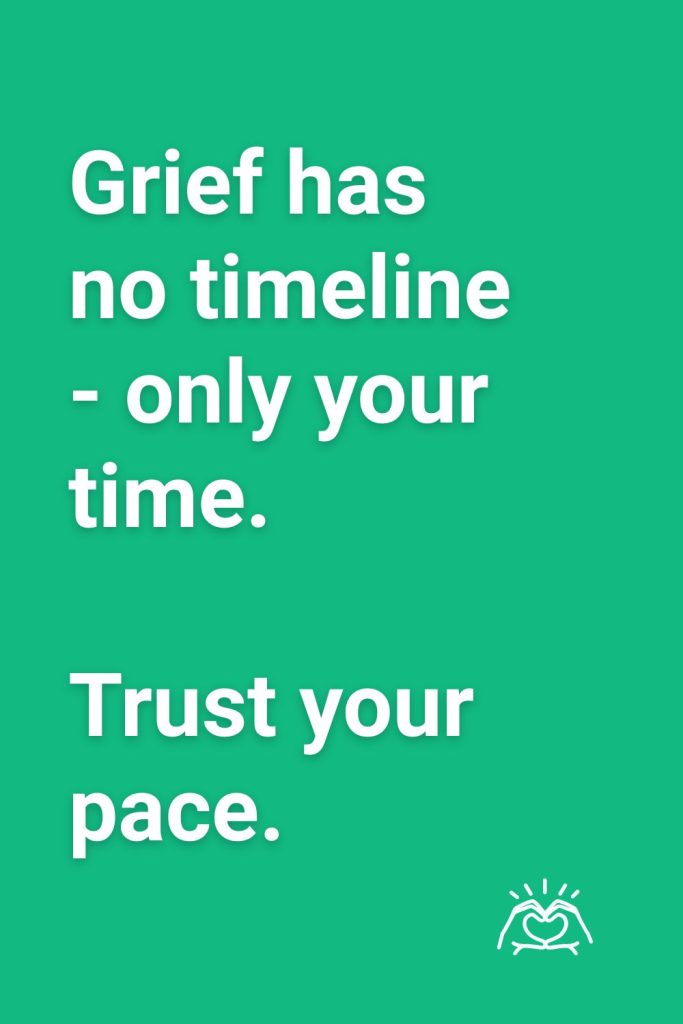
You’re not being timed, mate. Some folks take years to even think about what comes next, while others pick themselves up sooner. There’s no finish line here, and anyone who says otherwise probably hasn’t been through it. Let’s be honest, grief can take its sweet time, then sneak up and knock you over just when you think you’ve got it sorted.
Here’s the thing:
- Grief has no set schedule or deadline.
- Your emotions will shift – one week you’re okay, the next it’s kettle-on-and-have-a-cry territory.
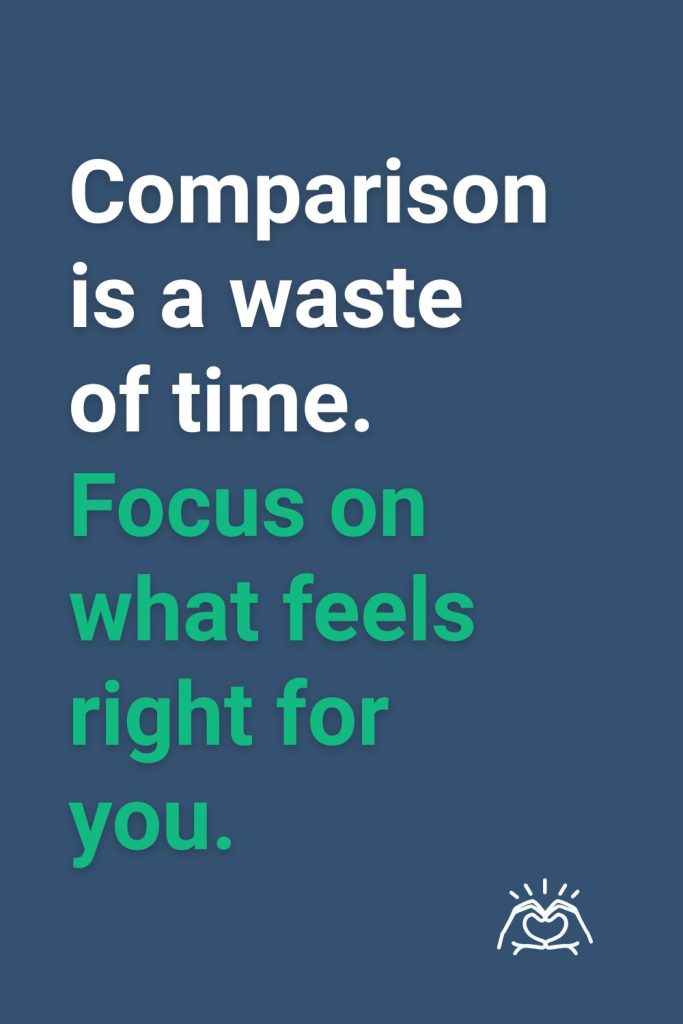
- Comparison is a waste of time. Focus on what feels right for you.
The pressure to move on is like having a smoke alarm that never shuts up – it’s annoying, unhelpful, and makes you want to smash it with a broom.
The Pressure To ‘Be Strong’ – And Why It’s Bonkers
You’ll hear this one a lot – ‘be strong’, as if holding in your sadness should get you a gold medal. It often comes from people who just want you to look fine so they feel comfortable. But why pretend? Grief is messy. If anyone expects you to get over it like you’ve lost a set of keys, they’re out of touch.
Here’s some classic ‘be strong’ rubbish, and why it doesn’t work:
- “Don’t let it get you down” – Like you can just turn sadness off.
- “They wouldn’t want you to be upset” – Well, obviously. Doesn’t mean you can hit skip on your feelings.
- “You’re doing so well” – Translation: please keep your grief to yourself.
People forget that real strength is admitting when you’re not okay, opening up to a friend, or even just getting out of bed.
You might find ways to meet people again – honestly, sometimes a new social scene or even something like Affinity Dates can be a step, but only if and when you fancy it. Ignore anyone rushing you. There’s no right time, just your time.
So, if you’re feeling pressured to bounce back, just remember: you get to decide what’s next. And you’re not on anyone’s schedule but your own.
The Guilt Trip: Navigating Emotional Speed Bumps
So, you’re moving through the day, and suddenly – bam – guilt. Maybe you’re laughing with friends or distracted by a sunny afternoon, and then it sneaks in: “Should I really be okay right now?” It’s wild how grief will throw these wobbly speed bumps just when you find a second of peace. Let’s talk about them, because truthfully, you’re not the only one having these thoughts.
Can You Really Move On Without Betraying Your Loved One?
The biggest myth? That finding moments of happiness means you’re somehow betraying them. This feeling has roots. You loved this person deeply, so it makes sense that letting yourself live again feels weird, even wrong sometimes. Here’s the thing: moving forward isn’t a swap or a replacement. Your love isn’t going anywhere. It just changes its form a bit. It might sound odd, but carrying on is a sign of just how much they mattered to you. If you’re feeling tangled up in guilt, recognising and accepting those feelings can actually help you start to untangle them (recognise and accept your feelings).
Some reminders for your back pocket:
- Nobody gets to decide your “grief timeline”.
- You’re allowed to feel proud for getting through each day.
- Loving someone means you want each other to be okay, even now.
There’s no scoreboard. Laugh, cry, miss them, remember them. It’s all part of carrying grief and love at once. No one’s standing by with a penalty flag.
Laughter, Tears, And Everything In Between
Grief isn’t tidy. One minute you’re in tears at a silly old sitcom, the next you’re howling with laughter at a memory (or maybe at something totally random, like spilling tea for the third time this week). It’s OK. That mix is normal, even healthy. Sometimes, though, guilt barges in after a bit of fun or relief, telling you to stay sad, to ‘honour’ their memory. But let’s be honest, love is bigger than that. You’re allowed it all: messy, mixed-up days that don’t fit a script.
Try these if you’re feeling stuck:
- Let yourself feel what shows up. No filtering.
- Write down small moments you enjoyed, and why they felt good.
- Talk to someone who ‘gets it’, so you don’t bottle things up.
Here’s the bottom line: you do not ‘owe’ relentless sadness to your partner’s memory. Living is the tribute, and even the weird, wobbly days count as progress forward.
Finding New Footing In Life After Loss
So, here you are, standing in a world that doesn’t feel quite right anymore. Your whole routine’s flipped on its head. Don’t worry, you’re not expected to leap out of bed, start a new hobby, and become the poster child for ‘moving on.’ Getting your feet back under you after losing a spouse is messy and, let’s be honest, downright weird. Let’s get real about what this looks like, one wobbly step at a time.
The Awkward Art Of Considering New Relationships
Thinking about dating again? Some people will gasp as if you’ve just suggested barbecuing in a cathedral. But guess what? There’s no rulebook, and there’s definitely no points system for staying single forever.
- Your timeline is yours. Ignore anyone who acts like there’s a queue you’re supposed to join.
- Guilt can pop up (and it will), but just because you’re ready for companionship doesn’t mean you’re erasing the past.
- Some outings will feel awkward at first, think dinner for one or turning up to a couples’ event as the surprise single. It gets less uncomfortable, promise.
- Not every new relationship needs to be “The One.” Sometimes it’s just about blending loneliness with a dash of awkward coffee dates.
There’s no shame in wanting more than just your own company for the rest of your days. Sometimes you need someone to laugh with, even if it’s just about how terrible dating apps are.

Redefining Yourself While Dodging Unwanted Advice
Here’s a little secret: you get to decide who you are now. People mean well, but the “helpful” advice can be a bit much. Everyone’s a sudden expert in your feelings. Funny how that works.
- Your identity didn’t vanish. It’s just…under construction. Some days you might feel like a totally new person. Other days, you might just want to binge on biscuits and ignore the lot.
- Try new things when you’re ready (or not at all. Your call!). Write a list if your brain feels scrambled, with one or two things you fancy trying.
- Most people who say “just focus on yourself” have never had to start over. Take what’s helpful, chuck out the rest.
In the end, piecing life back together after loss is all trial and error. You’ll mess up, backtrack, get somewhere you never expected, and that’s absolutely normal.
If you’re still reading this and thinking, “That sounds hard,” you’re right. But you’re here, and that’s pretty impressive on its own. Take all the time you need. There’s no finish line, just the next best step.
Losing someone special can turn your world upside down. It’s normal to feel lost, but every day offers a new chance to start again. At Affinity Dates, we help people just like you rediscover happiness and meet others who understand what you’re going through. Take the first step toward brighter days, visit our website and find support and friendship with us today.
Wrapping It Up: Grief, Guilt, and Getting On With Life (Sort Of)
So, here we are at the end, and if you’re still reading, I’m guessing you’ve either lost someone or you know someone who has. First off, let me just say: there’s no gold medal for moving on quickly, and there’s definitely no timer counting down to when you’re supposed to be “over it.” Grief is messy, unpredictable, and sometimes it just sits on your chest like a grumpy cat that refuses to budge. People will have opinions – oh, will they ever – but only you know what’s right for you. If you want to sit in your pyjamas eating toast for dinner for the third night in a row, that’s your business. If you’re ready to try something new, or even think about dating again, that’s your call too. There’s no right or wrong way to do this. Just remember, you’re not alone, and it’s perfectly normal to feel like you’re taking two steps forward and one step back (or sideways, or in circles). Be kind to yourself, ignore the “shoulds,” and don’t be afraid to ask for help – or to laugh at the absurdity of it all now and then. You’re doing better than you think, honestly.
Frequently Asked Questions
Is there a right amount of time to grieve before moving on after losing my spouse?
No, there isn’t a set timeline for grief. Everyone heals at their own pace. Some people feel ready to move forward sooner, while others need more time. Don’t let anyone rush you, your feelings are valid no matter how long it takes.
If I start feeling happy again or think about dating, does it mean I’m forgetting my spouse?
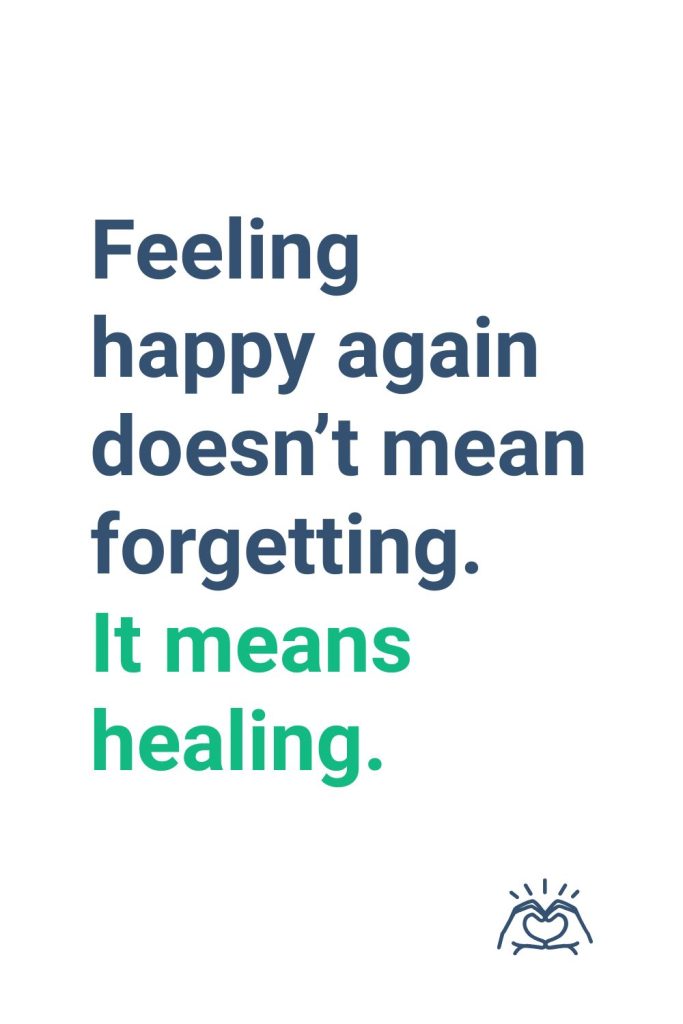
Not at all. Finding joy or thinking about new relationships doesn’t mean you’re forgetting your loved one. You can honour their memory and still allow yourself to enjoy life. It’s okay to laugh, smile, and even love again while keeping your spouse in your heart.
People keep telling me to ‘be strong’. What should I do if I just feel sad or lost?
It’s okay to feel sad, lost, or even angry. You don’t have to put on a brave face for others. Let yourself feel whatever comes up, and don’t be afraid to ask for help or talk about your feelings. Being honest about your emotions is a sign of strength, not weakness.